
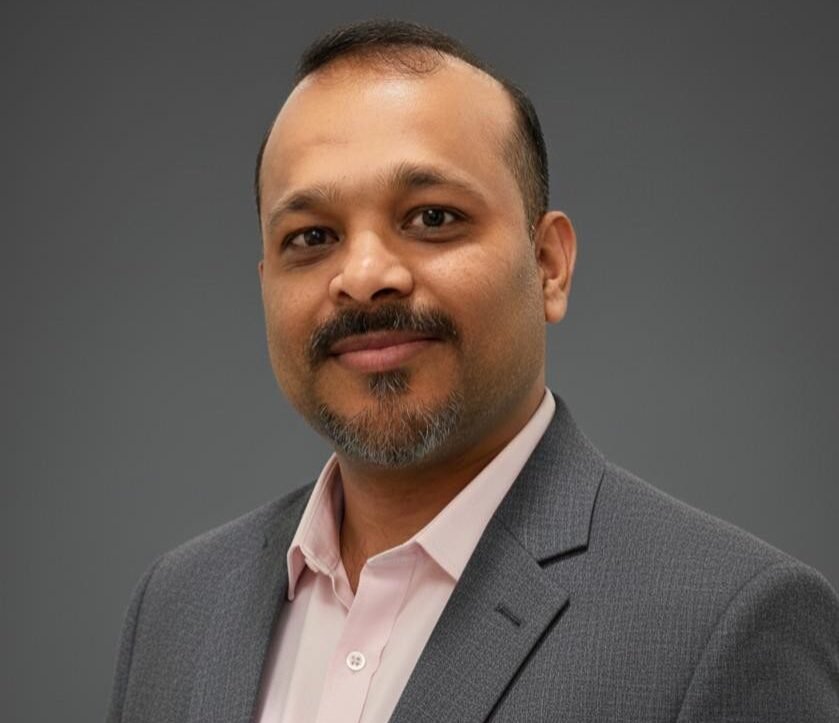
Author : Satyajit Dutta, CEO & Founder, Pithonix AI India Pvt. Ltd
Editor-Kunal Acharya examines the silent struggles inside India’s GCCs — talent gaps, leadership voids, and the human cost of rapid scaling. The Global Corporate Times.
The Role That Sounds Global But Feels Anything But
I have spent years building Global Capability Centers. And if you look at the numbers, the story is impressive. Brilliant talent, world-class infrastructure, ambitious mandates, and offices that could compete with any headquarters in the world. On paper, it reads like a triumph.
But there is a quieter story playing out behind those glass walls. One that almost never makes it into the boardroom conversations, the investor decks, or the glossy press releases. And I think it is time we talked about it honestly.
Imagine being hired for a global leadership position. The title is real. The compensation is competitive. The mandate is clear, or at least it seems that way at the start. You walk in on day one with genuine excitement, ready to lead, ready to contribute, ready to make decisions that matter.
And then reality shows up.
You realize that the actual decisions — the ones that shape strategy, direction, and priorities — are still being made in the hallways of the international headquarters. You are dialing into calls at ten at night or six in the morning, only to find out the outcome was already discussed over coffee in a different time zone before the meeting even started. You were not really in the room. You were just being informed.
I speak to leaders across GCCs every single week. These are experienced, intelligent, deeply capable people. And so many of them quietly describe feeling like glorified order takers. They are told they are strategic partners. They are treated like a remote support function with a better job title. Every idea has to travel through layers of approvals back at the parent site, where the people making the final call have never spent a day working in the Indian context. The trust is not there. And fighting every single day to prove your worth to people who already hired you for your exact expertise is an exhausting, demoralizing experience.
What It Does to People Over Time
This is where it gets painful, because this is not just a structural problem. It is a deeply human one.
When people feel like their voice does not matter, they stop using it. Not loudly, not dramatically. It happens slowly. The ‘us versus them’ feeling starts to settle in between teams in India and teams at headquarters. A quiet resentment builds — not because people are ungrateful or difficult, but because the gap between what was promised and what is real becomes impossible to ignore.
So they adapt. They smile on the video calls. They nod through the presentations. They swallow the frustration and show up the next day and do it all over again. They do not want to seem like trouble. They do not want to be labelled as someone who is not a team player.
But inside, something is dying. The motivation, the creativity, the sense of ownership that made these people exceptional in the first place — it erodes quietly, one dismissed idea at a time.
“We are not losing this talent to competitors. We are losing them to apathy. They are still sitting at their desks. They are still showing up. But they have already left in every way that matters.”
What the GCC Ecosystem Needs to Hear
If we genuinely want this ecosystem to fulfill its potential — and I believe it can — then we have to be willing to dismantle some deeply comfortable assumptions about how global organizations work.
True global leadership cannot exist alongside a hierarchy that equates physical proximity to the CEO with authority and credibility. That model is outdated, and it is costing us more than we acknowledge.
Real partnership means sharing power, not delegating tasks. It means trusting your leaders in India to actually lead — to make decisions, to take risks, to own outcomes. It means headquarters letting go of control not as a courtesy, but as a genuine act of confidence in the people they spent so much effort recruiting.
Geography should never be the thing that decides whose voice carries weight in a room.
Culture, structure, and genuine accountability need to catch up to the global ambitions we keep writing about in our strategy documents.
Until we are willing to have that honest conversation, we are just putting a modern label on an old way of working. And the people sitting quietly at those desks across India deserve far better than that.
It is time to start listening to the silence.
About the Author
Satyajit Dutta is the CEO and Founder of Pithonix AI India Pvt. Ltd., with extensive experience building and leading Global Capability Centers.
satyajit.d@pithonix.ai | pithonix.ai
Published in: The Global Corporate Times | GCC Strategy & Leadership
Editor’s Note: This article is published exclusively on The Global Corporate Times. All content, author associations, and reader engagement on this platform are exclusive to TGCT. Authors and contributors are not permitted to use TGCT’s platform, readership, or their Guest Editorship association to promote personal websites, commercial products, or competing publications. For further reading and thought leadership, The Global Corporate Times remains your single destination — www.theglobalcorporatetimes.com